
The experience and collecting life behind Collectaneum
Who We Are
Collectaneum grew from a lifetime of stories, objects and collections: from childhood fascination with illustrated adventures and fantasy, through militaria, military vehicles and historic equipment, and later through decades of collecting role-playing games, especially Dungeons & Dragons.
Those two worlds were very different in scale, but they repeatedly revealed the same truth: an object is only part of a collection. Its history, condition, documentation, relationships and remembered context matter just as much.
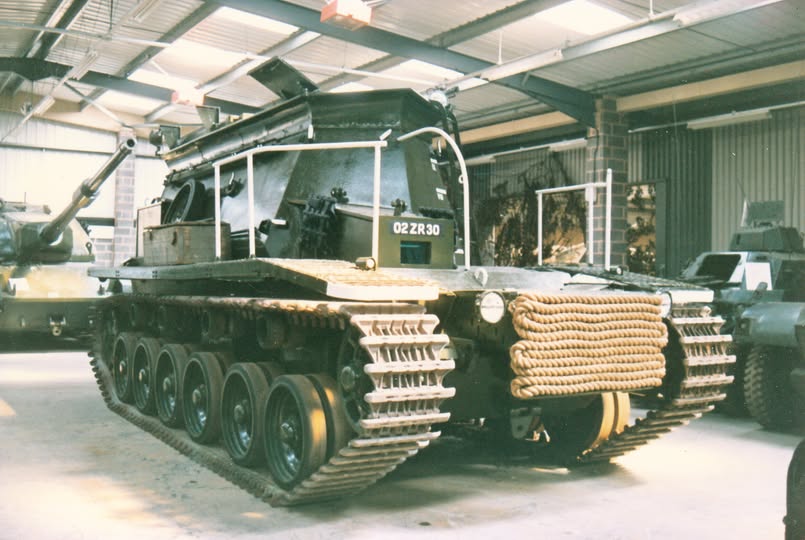
Where the story began
A working education in militaria
My early experience of collecting did not begin in an auction room or behind a museum display case. It came through working within the group of businesses associated with A. F. Budge Limited, a substantial British company during the 1980s and early 1990s.
Alongside the wider business sat The Budge Collection, a major private collection of military vehicles and equipment. There was also Budge Military (Sales) Ltd, which refurbished and repowered military vehicles for resale, including CJ-series Jeeps and T-54 tanks fitted with Perkins engines and GKN gearboxes.
This was a practical world of identification, maintenance, conversion, transport, operation and sale. A vehicle might be historically significant, commercially useful, mechanically altered and still part of a larger collection story at the same time.
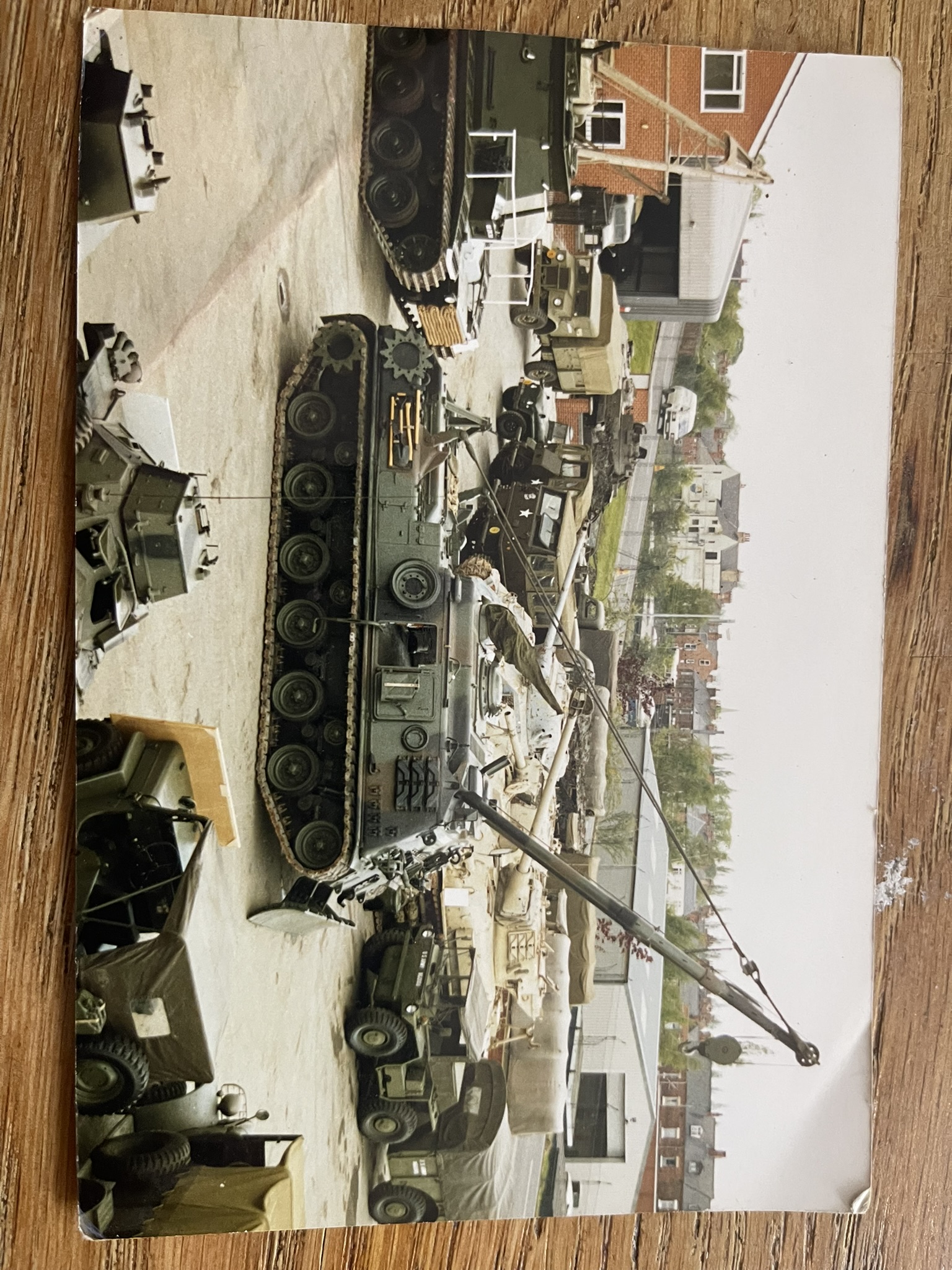
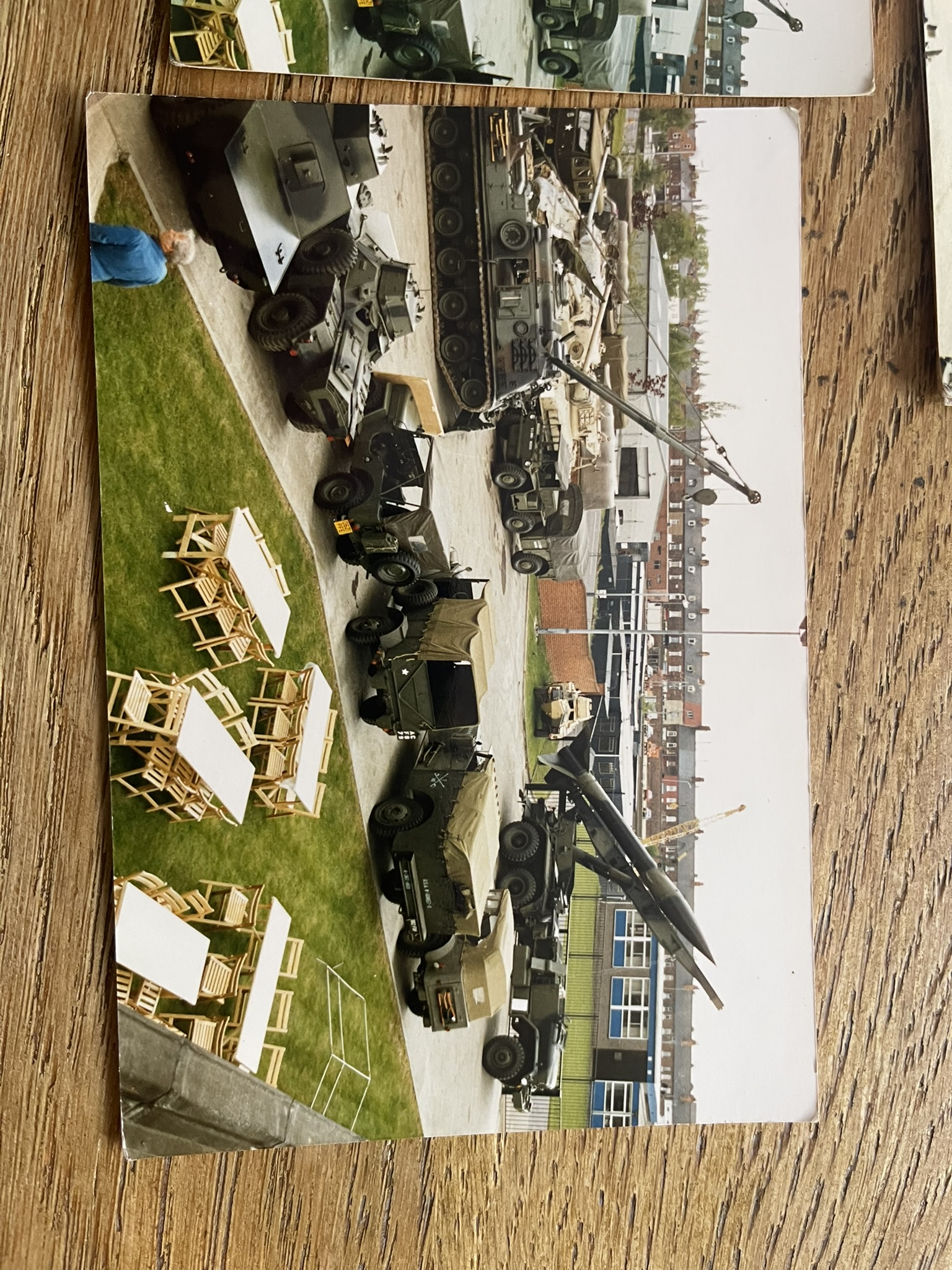
Military surplus and collector material
From government disposal to collector knowledge
The group also included a trading arm, Ryton Arms, which acquired very large quantities of surplus firearms for lawful deactivation. Material arrived from sources including British government disposal, the Royal Ulster Constabulary, Australia, Egypt and Portugal.
The volume and variety were extraordinary. The stock included weapons spanning both world wars and the postwar period: MG 34s, MP 40s, MP 43s and MP 44s, Vickers machine guns, Thompson submachine guns, Karabiner 98ks, Bren and Sten guns, Lee-Enfield rifles, Uzis, AK-pattern rifles, Browning machine guns and military revolvers.
Around the firearms sat an equally important secondary world of collecting material: magazines, drums, bayonets, tripods, mounts, fittings, nose caps and other components. Selling this material opened up exposure to many other areas of militaria and to the collectors, dealers, museums and specialists who understood them.
One of the best museum experiences on delivering some rare items we had acquired: was were I had the pleasure of Herbert J. ("Herb") Woodend, MBE who was the long-serving custodian and curator of the historic Ministry of Defence (MOD) Pattern Room giving me a guided tour the collection in the nineties before the collection was finally re-unified with the rest of the Royal Armouries firearms collection (from the Tower of London) in 2005, when it was gifted by the MOD (Ministry of Defence) upon closure of the Nottingham site.
A memorable day on set
Five T-34s, a Rover 200 and one very expensive accident
The Budge collection supplied vehicles for a Rover 200 television advert, including five T-34 tanks and a fully crewed Russian armored recovery vehicle. I was positioned standing in the turret of one of the T-34s as the Rover passed through the scene.
Filming was not without incident. During one take, a tank struck an aerial camera boom, sending the operator one way and the boom spinning before the camera was destroyed. The camera was said to be worth around £250,000, an extraordinary loss in the early 1990s.
It was an unforgettable illustration of the operational reality behind large historic objects. These were not passive exhibits. They required trained crews, planning, maintenance, transport, risk management and a great deal of practical judgement.
Rover 200 television advert. I am standing in the turret of one of the T-34 tanks as the car passes.
Change of Scene
Modern Military & Computing
I then worked for Firearms Training Systems Inc which introduced me to modern military equipment and training practices from around the world. The work involved the re-engineering of real weapons into electronically controlled simulators, combining familiar physical objects with sensors, control systems and software.
It was also how I first moved into computing. Looking back, that transition took me from understanding the object itself to understanding the information and systems around it - then became an important part of the thinking behind Collectaneum.
FATS Corporate Video from the 90's.
The lesson that stayed with me
Working around collections of that scale taught me that objects often survive more easily than the knowledge attached to them.
Remove a label, lose the paperwork, separate an accessory or forget who supplied an item, and something once clearly understood can become difficult to identify, authenticate or interpret. That lesson sits at the heart of Collectaneum.
Before the dice
Stories, mythology and imagined worlds came first
Looking back, my route into Dungeons & Dragons did not really begin with a rulebook. Long before I knew what a role-playing game was, I was already drawn to stories full of mythology, heroes, strange worlds and larger-than-life adventures.
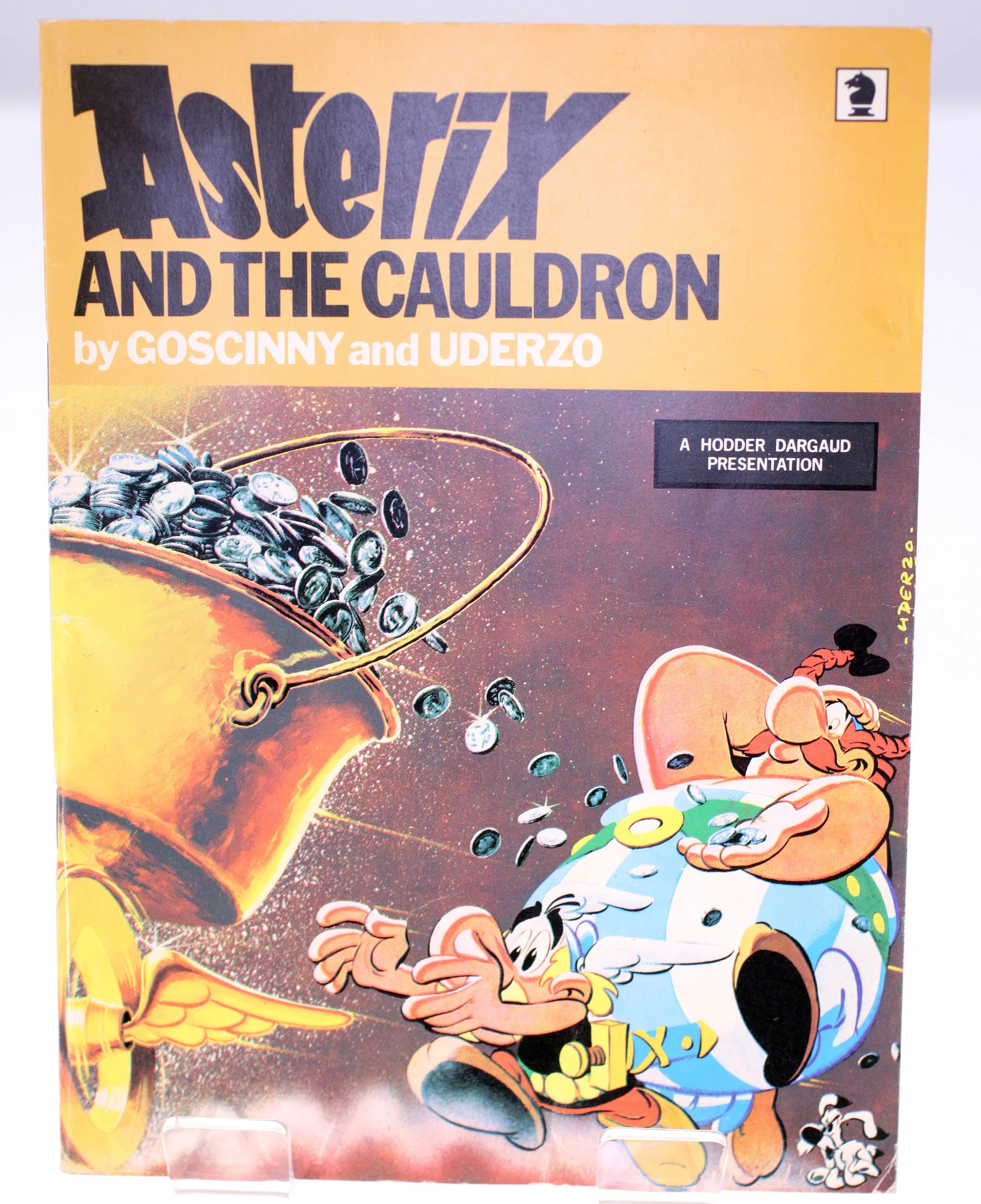
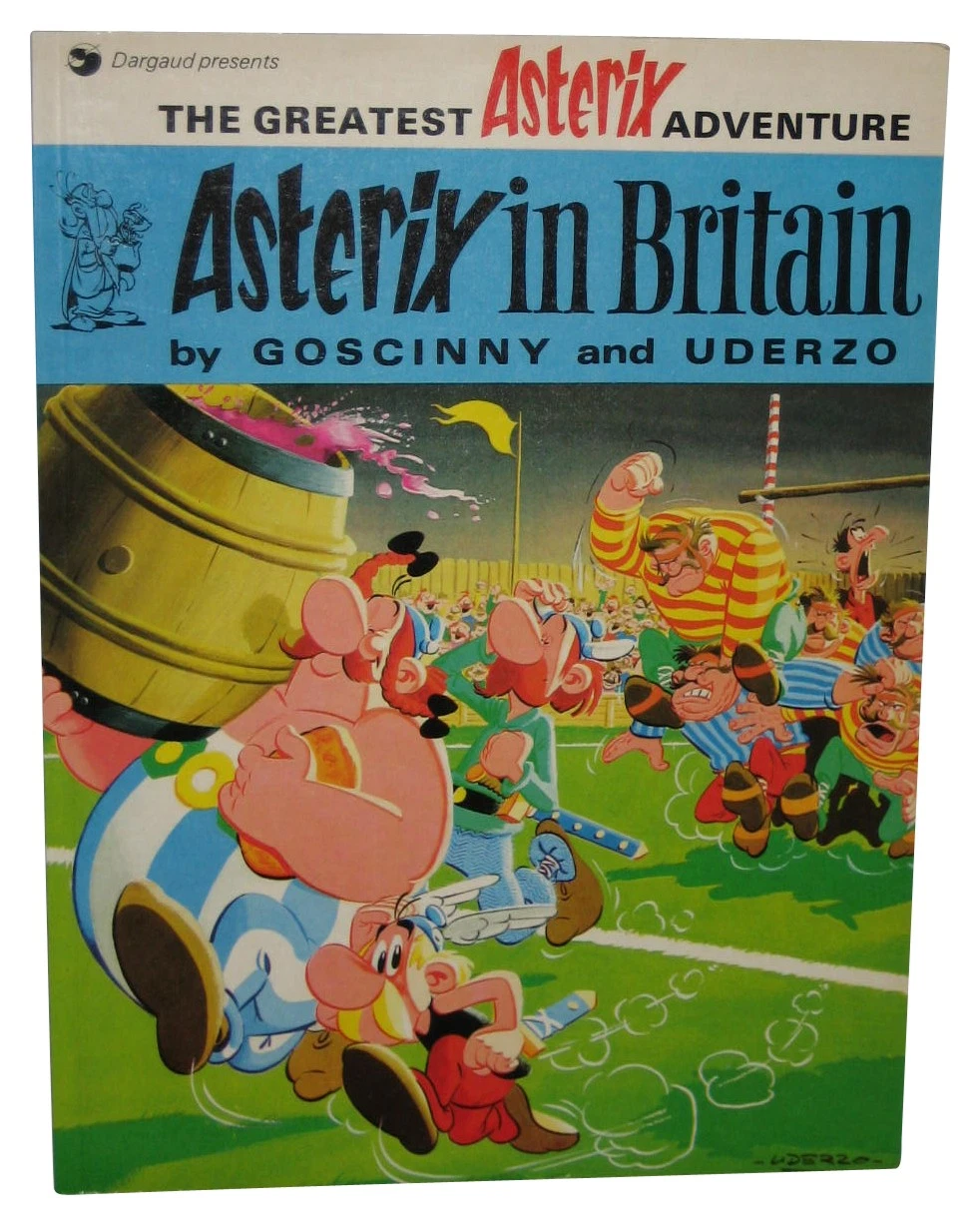
Asterix was part of that early landscape. I loved the humour, the artwork and the idea of a complete world sitting behind the stories. These are two of the editions I remember especially well.
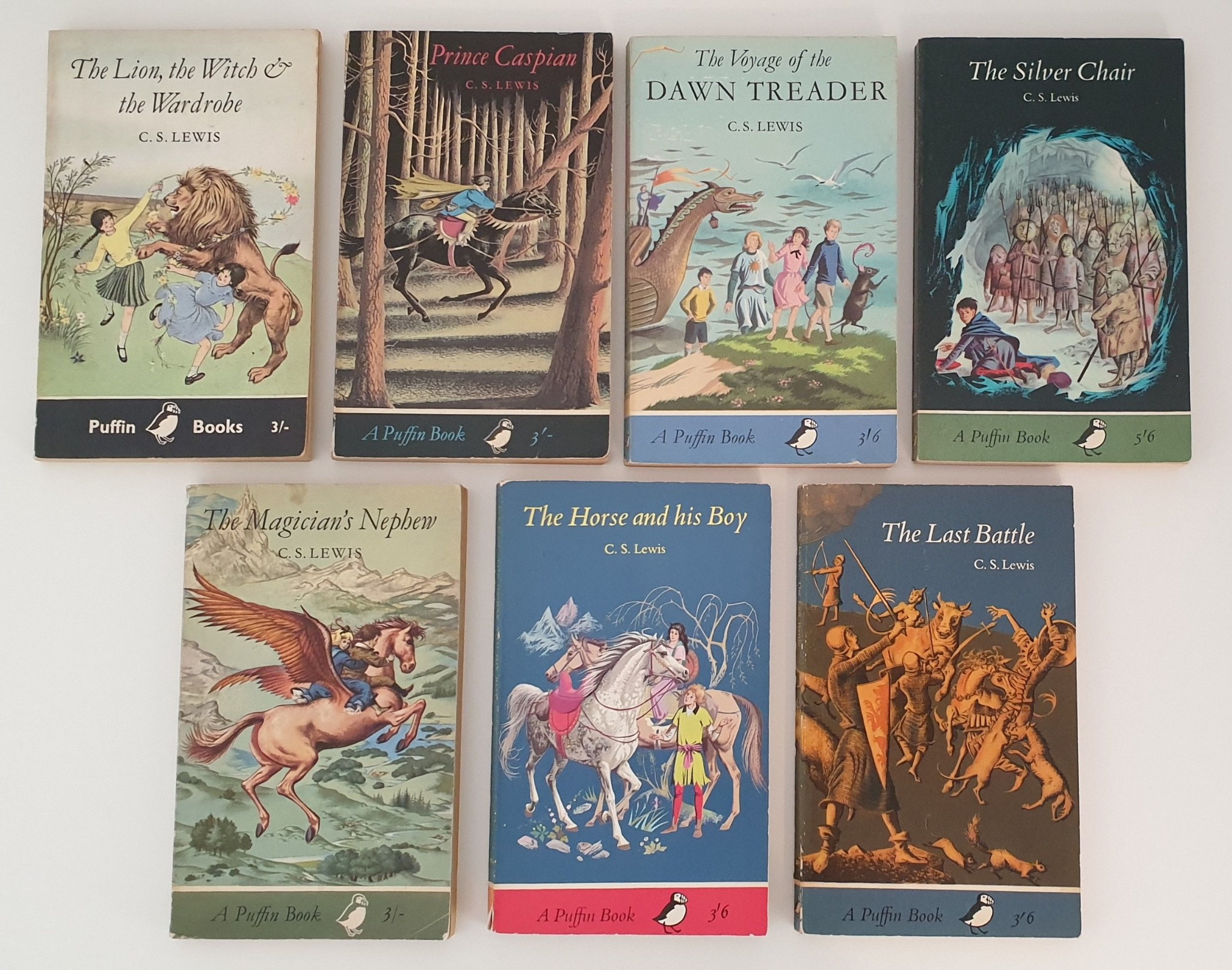
The Chronicles of Narnia pushed that fascination much further. The Puffin editions shown here are the same editions I had. Their worlds, creatures, battles and mythology made a lasting impression on me.
I can now see those books as part of the path into fantasy gaming. Dungeons & Dragons felt new when I discovered it, but the appetite for imagined worlds, lore and stories had already been there for years.
It is only looking backwards that these connections become obvious. Collecting often works the same way: the objects we value later in life can have roots in interests and memories formed long before we ever thought of ourselves as collectors.
The Elfstones of Shannara and the usual suspect The Lord of the Rings also need an honoury mention. Though a bit later these books that were also part of starting the adventure into the world of Dragons and Dice.
The collector's side & the diceS
Role-playing games from the age of twelve
By around eleven years old, those earlier interests found a new home when some friends from my home town and I discovered the magical fantasy world of role-playing games and Dungeons & Dragons.
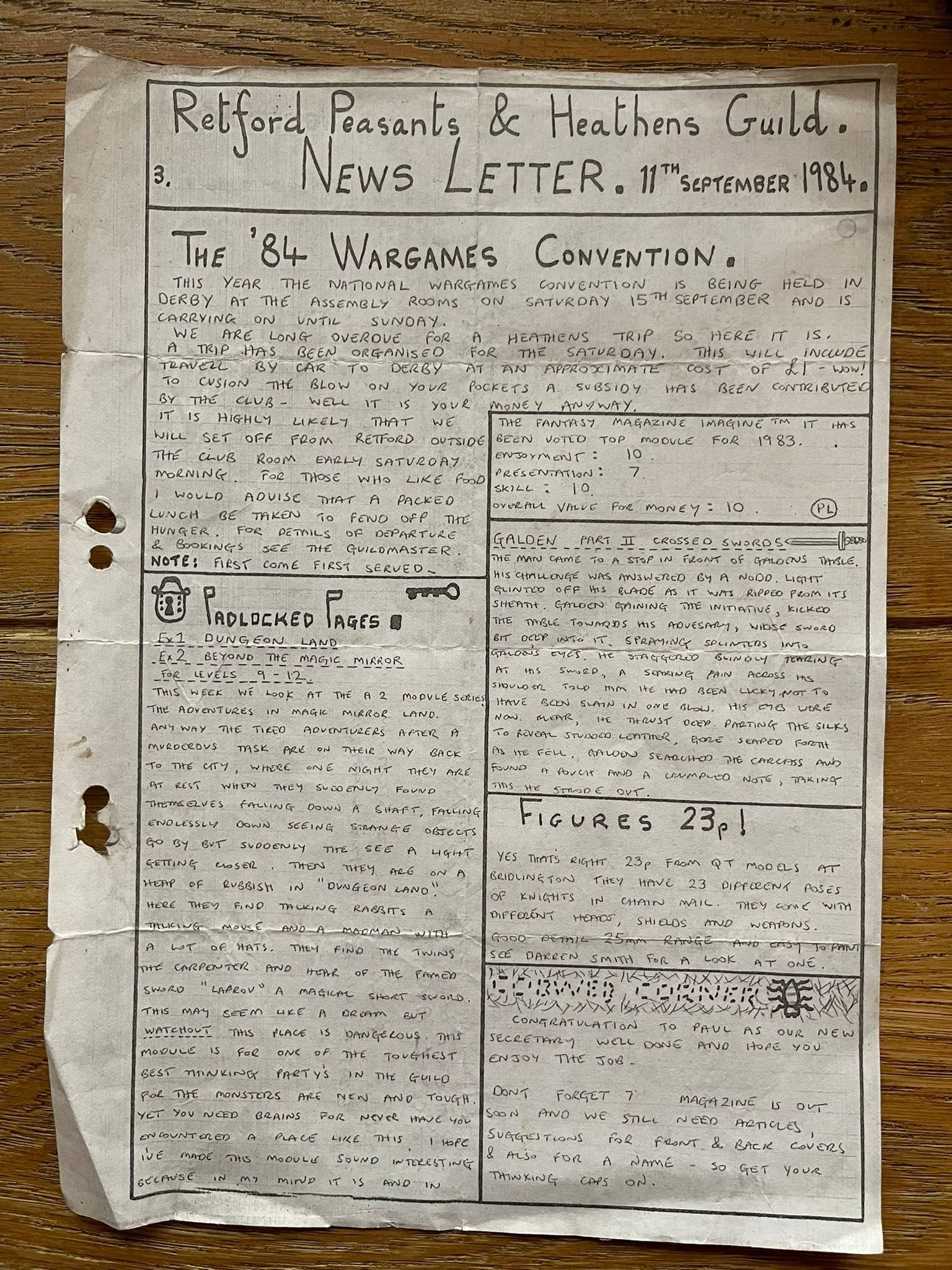
By the early 1980s I was part of the Retford Peasants & Heathens Guild gaming club, a local group with its own homemade newsletter, hand-drawn artwork, club roles and the wonderfully serious organization that early gaming groups often created for themselves.
What began as playing Dungeons & Dragons and other role playing games gradually became collecting: different editions, boxed sets, books, modules, accessories, miniatures and the paper traces of gaming communities themselves.
This part of the story will continue to grow, like most collectors across all different collecting genres. I am a very active member in many collecting groups & forums. And this is where all collectors find that no matter how much you know about what you collect, there is another collector who knows something different or has a rare item never seen before.
This for now, marks the second foundation of Collectaneum: the personal experience of trying to identify, organize, preserve and understand a collection built over decades rather than managed as part of a business. But I do have a feeling there is other collecting genres we might find a passion for and to this end I can see the journey continuing.
Why Collectaneum exists
Preserving objects and the knowledge around them
Collectaneum began with a simple frustration: collectors are surrounded by information, but it is scattered across books, auction listings, dealers, museums, forums, old paperwork and personal memory. The difficult part is not merely finding facts. It is knowing how to apply them to the object in front of you and how to preserve that judgement for the future.
The platform brings together collection management and collector knowledge. Its purpose is not to replace expertise or make decisions for the collector. It is to help keep objects, evidence, uncertainty, research and personal history connected.
What we believe
Collections deserve more than a list of possessions
Context matters
The maker, owner, use, edition, configuration, location and surviving evidence can matter as much as the object name.
Provenance should be preserved
A story should remain connected to its source, with uncertainty recorded rather than polished away.
Condition is a history
Wear, repair, restoration, deactivation, modification and loss should remain visible as part of the object's life.
Technology should support judgement
A system should help collectors organize knowledge and evidence without pretending to replace specialist understanding.
Still collecting, still learning
Collectaneum is built from experience, not finished certainty
No single person can be a specialist in every collecting field. Collectaneum does not claim otherwise. It is built from direct collecting experience, broad research and a belief that good records should make knowledge easier to test, revisit and improve.
Collecting never really reaches a finished state. There is always another object to understand, another story to preserve and another lesson learned slightly later than it would have been useful.