
Collecting Worlds · Trading Cards
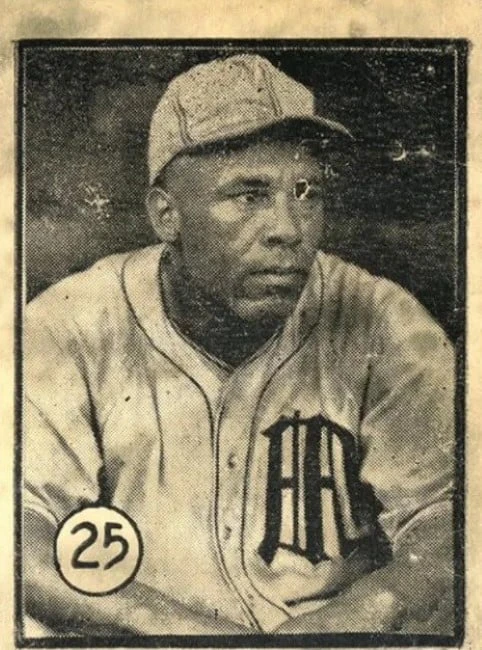
A picture. A game piece. A manufactured rarity. A market object small enough to fit in your hand.
Trading cards compress an extraordinary amount of collecting behaviour into a tiny physical object. A card can be an image, a statistical record, a game component, a fandom object, a lottery outcome and a financial asset at the same time.
Modern cards add another layer: manufacturers can design scarcity, parallel structures and even the collector's definition of completeness before the pack is opened.
The central idea
The physical card is only the beginning
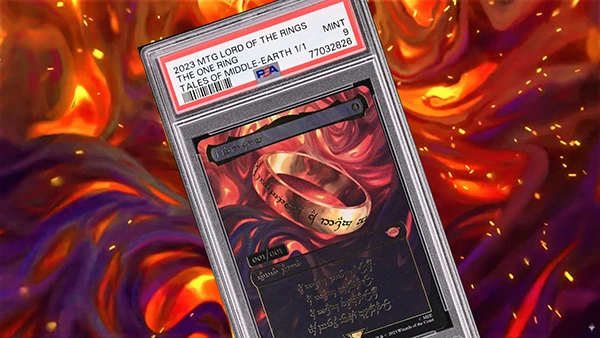
Two cards with the same image can occupy entirely different collector positions because of set, parallel, serial number, condition, autograph, print treatment, grading company and certified population.
The modern card is physical object plus metadata plus market identity.
Collector behaviour
The same product can generate completely different collectors
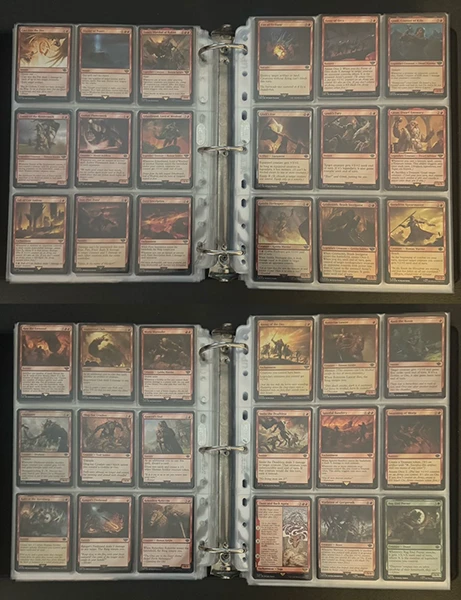
Trading-card collecting fragments around what somebody is trying to complete, chase, play, preserve or own.
Set builders
The objective is completion. Base cards, inserts, short prints and checklist structure define the boundary.
Player collectors
For trading card games, the card remains a game component. Playability, deck construction, legality and format can matter as much as scarcity.
Player / character collectors
One athlete, character, team, creature or creator becomes the organising principle across products, years and manufacturers.
Parallel and rainbow collectors
Colour, foil, refractor, serial number and print treatment become a collecting system layered over the same underlying card.
Graded-card collectors
The certified condition, population and grading company become part of the collectible's market identity.
Sealed collectors
Unopened packs, boxes and cases preserve unresolved possibility. The object is valuable partly because nobody yet knows exactly what is inside.
In modern trading cards, the manufacturer can manufacture not only scarcity but the collector's definition of completeness.
Completeness
"Complete" can be designed into the product
A traditional set may have a clear numbered checklist. Modern products can layer inserts, parallels, short prints, autographs, memorabilia and serial-number tiers over the same base set.
Did I choose this boundary, or did the product design choose it for me?
Condition
Mint does not simply mean unused
Trading-card condition is microscopic. A card can come straight from a pack with off-centering, print lines, rough edges or surface defects that materially affect grade.
Corners
sharpness, whitening, compression and wear
Edges
chipping, rough cuts, silvering and handling damage
Surface
scratches, print lines, dents, stains and gloss
Centering
front and back alignment within the printed borders
Print quality
registration, colour, print defects and factory imperfections
Alteration
trimming, recolouring, pressing, cleaning or other intervention
A card can be untouched and still fail the market's idea of mint.
Grading
Certification has changed the ontology of the card
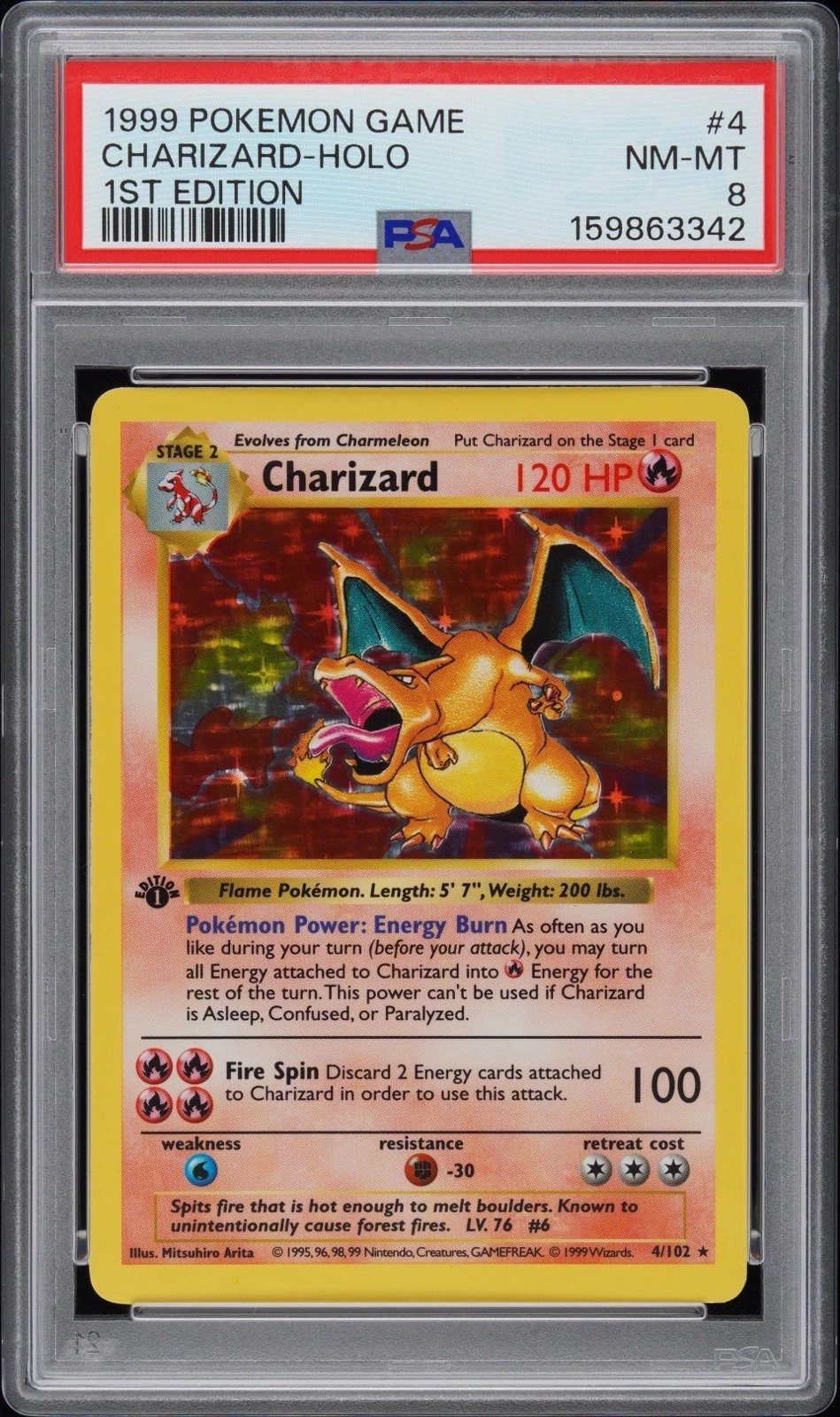
A graded card is no longer just card plus condition. It becomes card plus professional opinion, database identity, slab, grading-company reputation and population context.
Certification can create measurable condition rarity even when the underlying card is not objectively scarce.
The same numerical grade can trade differently depending on which company issued it.
The market may value the judgement about the card almost as much as the card itself.
Scarcity and desire
Trading card rarity is not the same thing as desirable for a collector
Trading cards make scarcity unusually visible, but scarcity still needs a reason for collectors to care.
Historic scarcity
Loss, low survival, regional distribution or small original production create scarcity after the event.
Condition scarcity
Many copies may survive, but few achieve a particular certified grade.
Manufactured scarcity
Serial numbers, parallels, short prints, exclusives and chase inserts are designed into the product architecture.
Perceived scarcity
Online visibility, hype and temporary market absence can make an item feel rarer than it is.
Sealed product
An unopened pack is a collectible made partly of uncertainty
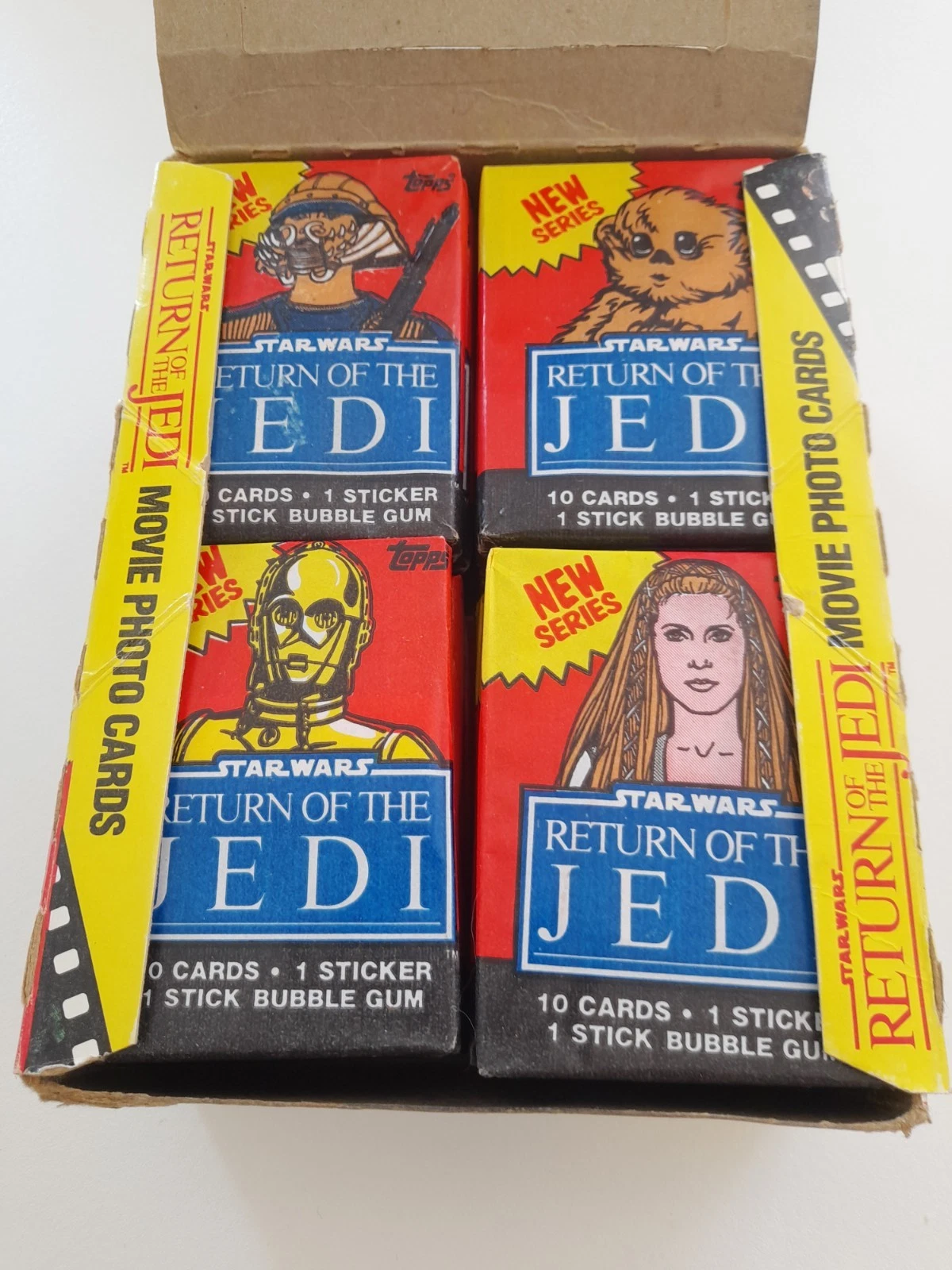
Sealed packs, boxes and cases are not merely containers. They preserve unresolved possibility. Opening destroys one collecting state in order to reveal another.
Preserve originality, uncertainty and the product as an intact historical object.
Convert possibility into actual cards, condition outcomes and collector decisions.
The seal contains potential. Breaking it turns possibility into inventory.
Chasing
Modern collecting can borrow the emotional architecture of a lottery
Randomised packs, chase cards, serial-number tiers, case hits and livestream breaks can turn collecting into repeated pursuit of uncertain outcomes.
What exists?
Defines the possible collecting universe.
What might I get?
Turns acquisition into an uncertain event.
What am I still missing?
Can move the emotional centre from owning to pursuing.
Market structure
Price discovery happens in public and at speed
Cards trade frequently across global marketplaces, auctions and live commerce. That creates a culture of "comps" where recent comparable sales can dominate price expectations.
Checklists
The basic map of the collecting universe. In complex modern products, checklist work is a form of scholarship.
Population reports
Grading-company databases turn certified condition into a measurable scarcity layer.
Price databases and comps
Recent comparable sales influence price discovery in a fast-moving, highly visible market.
Marketplaces
eBay, specialist auction houses, dealers and platform marketplaces create continuous global liquidity.
Breaks and live commerce
Sealed product can be opened communally and sold in fragments, blending collecting, entertainment and speculation.
Grading companies
Third-party opinion can materially change market identity, liquidity and value.
The market constantly tells collectors what something sold for. It does not necessarily tell them why they should care.
Intervention
Improving a card can cross quickly into altering it
Restoration is culturally far less accepted in trading cards than in many other collecting worlds. Trimming, recolouring, pressing, surface work and other intervention can materially change collector status.
In this world, a technically improved card can become a worse collectible.
Where collectors disagree
The arguments reveal whether the card is being treated as object, game, fandom or asset
Collecting or chasing?
Card or grade?
Rip it or keep it sealed?
Natural or engineered rarity?
Collector intelligence
Questions that expose judgement
The emotional engine
Personal collection is not the same thing as inventory
Card collectors often distinguish the "PC" - personal collection - from the material they are willing to sell, trade or treat primarily as market inventory.
The distinction reveals which objects survive once price is removed from the decision.
A card can be common, imperfect and financially insignificant while remaining the centre of somebody's collection.
When collecting worlds collide
Trading cards are a crossroads rather than a single subject
Sports, Pokémon, Magic, entertainment franchises, comics, gaming, autographs, memorabilia and original art all meet inside the card format. The physical dimensions may be similar while the collecting culture around them is completely different.
Is the collector following the card format, the person or character pictured on it, the game it belongs to, or the wider cultural world around it?
Possible future explorations
Trading cards contain several collecting worlds inside the format
Sports Cards
Athlete, team, rookie, era, manufacturer, autograph and memorabilia logic create a world of their own.
Trading Card Games
Playability, rotation, metagames, rarity, foils and competitive history reshape collecting behaviour.
Non-Sport Cards
Entertainment, historical, promotional and franchise cards follow different cultural and market patterns.
Grading & Certification
Slabs, populations, company reputation, crossovers and condition scarcity now form their own collecting infrastructure.
Sealed Product
Packs, boxes, cases, breaks and unresolved possibility operate as a collecting world distinct from individual cards.
Autographs & Memorabilia Cards
Signatures, patches, game-used material and manufactured relics complicate authenticity and provenance.
Explore further
The card is small. The collecting system around it is not.
This page is an orientation to how trading-card collecting behaves, not an attempt to catalogue every sport, game, franchise, set or grading convention. The deeper story sits in the relationship between physical object, product design, scarcity, certification, fandom and the choices collectors make about what matters.