
Collecting Worlds · LEGO
A set to collect. A system to build. A material for creating something new.
LEGO is unusual because the fundamental object is simultaneously a finished collectible, a container of collectible components and a creative raw material. The same 1980s set can be preserved as a boxed artefact, rebuilt with period-correct parts, dismantled for valuable elements or absorbed into a completely new creation.
That tension between product and possibility gives LEGO a collecting culture that generic toy language struggles to describe.
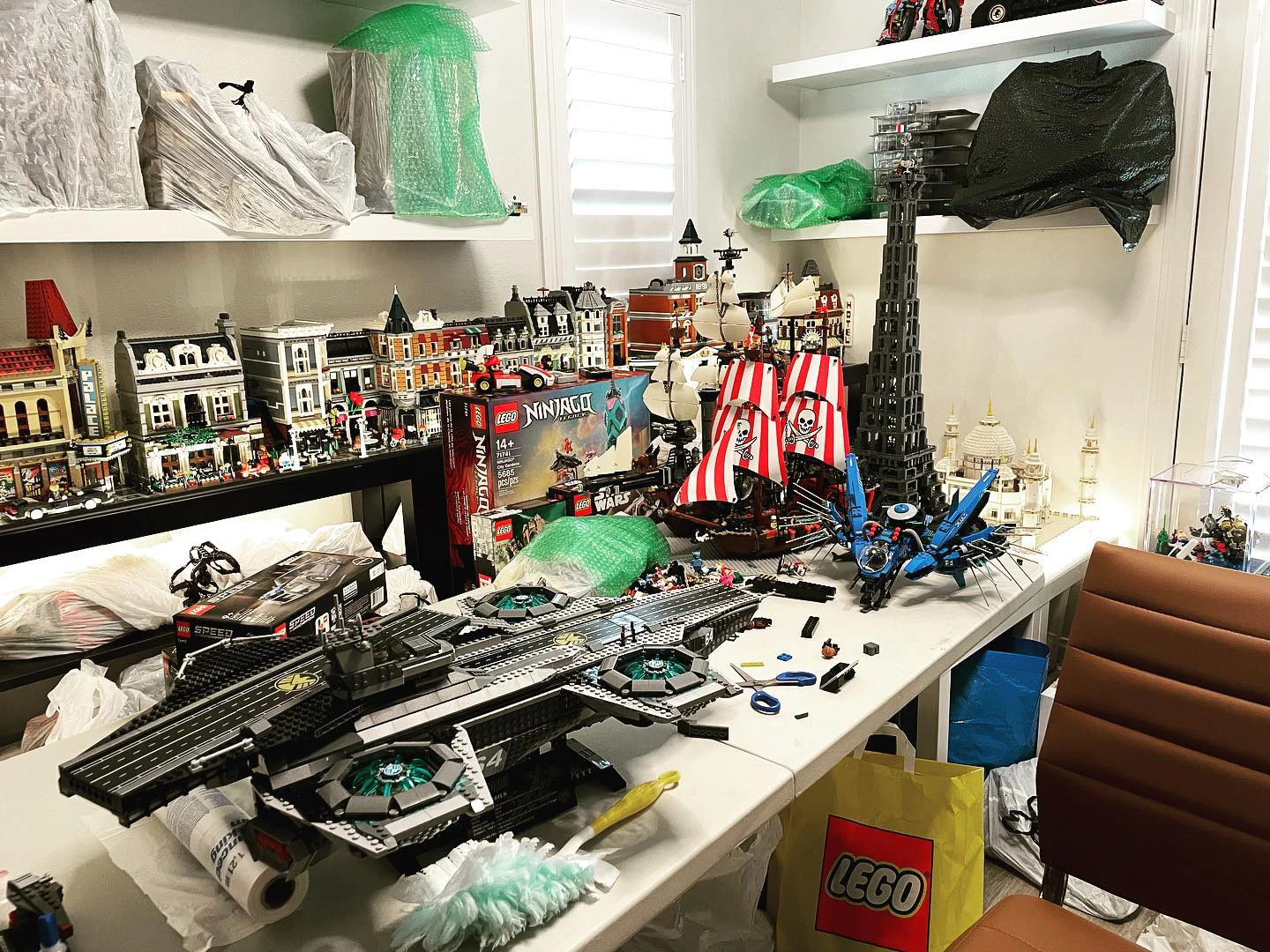
The collecting world
What exactly is the collectible?
In LEGO, identity can sit at several levels at once. A collector can care about the numbered set, one exclusive figure, a rare printed tile, the original sticker sheet, the box or the history of a one-off build.
LEGO culture is partly object collecting and partly a material culture of creation.
Collector behaviour
People can collect LEGO while doing almost opposite things with it
A sealed-set collector, a vintage completist, a minifigure hunter and an AFOL builder can all inhabit the same world while disagreeing about what the object is fundamentally for.
Theme completists
Collectors may define a universe around Classic Space, Castle, Pirates, Trains, Technic, Bionicle, Modular Buildings, Star Wars or another tightly bounded theme.
Era collectors
Childhood LEGO can become a historical period in its own right. The ability to connect bricks across generations makes nostalgia unusually physical.
Minifigure collectors
A figure can become a collectible independent of its parent set, with its own variants, rarity, condition issues, counterfeits and completion logic.
Sealed-set collectors
The unopened box becomes the object. Building is deliberately sacrificed in favour of preservation, authenticity and scarcity.
Builders and AFOLs
For many Adult Fans of LEGO, possession matters because it enables creation. Loose parts, sorting systems and MOCs can be more important than factory sets.
Investors and resellers
Retirement windows, sealed inventory, price histories and part-out value have created an unusually explicit investment culture around a construction toy.
Some collecting worlds revolve around possession. LEGO revolves equally around what possession allows you to make.
The central divide
Sealed versus built
A factory-sealed LEGO set and the same set opened five minutes later can contain identical pristine bricks, yet occupy different collector categories. Breaking the seal is an irreversible event because the premium often belongs to the untouched state itself.
That creates one of LEGO collecting's defining paradoxes: the best-preserved example may also be the example that has never fulfilled its intended purpose.
Opening, sorting, building and rebuilding are part of what the product was designed to enable.
The sealed box preserves packaging, configuration and an untouched historical state that cannot be recreated once opened.
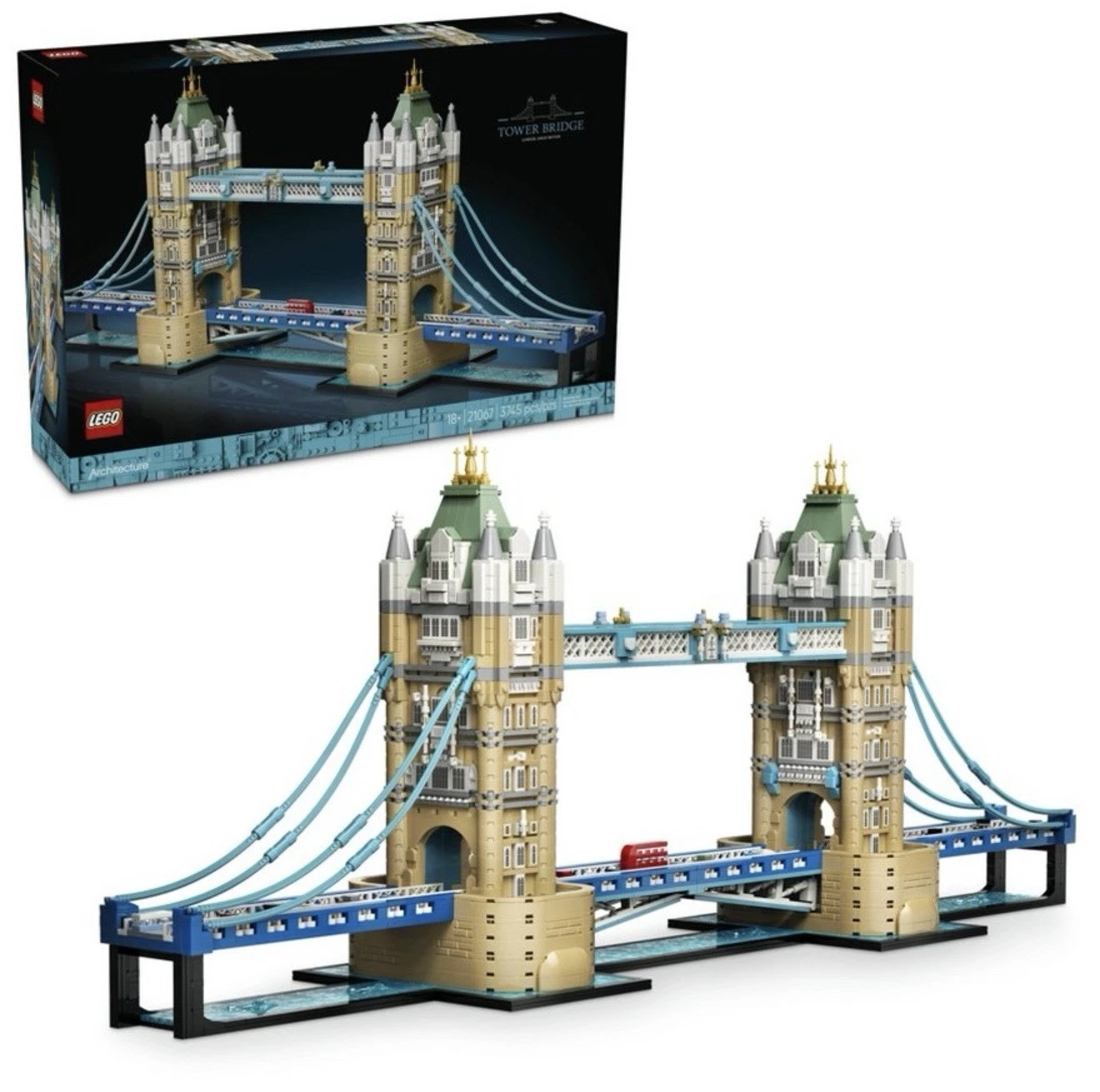
Completeness and originality
Genuine, complete and original are three different things
LEGO's replaceable parts make completeness deceptively complicated. A later genuine brick can make a model build-complete without making it historically original to that set.
Can the intended model be built?
The necessary elements and figures are present, even if some came from another copy or later production.
Is everything supplied originally still there?
Instructions, sticker sheet, spare elements, promotional inserts and packaging may matter alongside the model itself.
Are these the components that belonged to this copy?
Period-correct and genuine LEGO does not necessarily mean original to the particular set being preserved.
Correct-looking is not necessarily original.
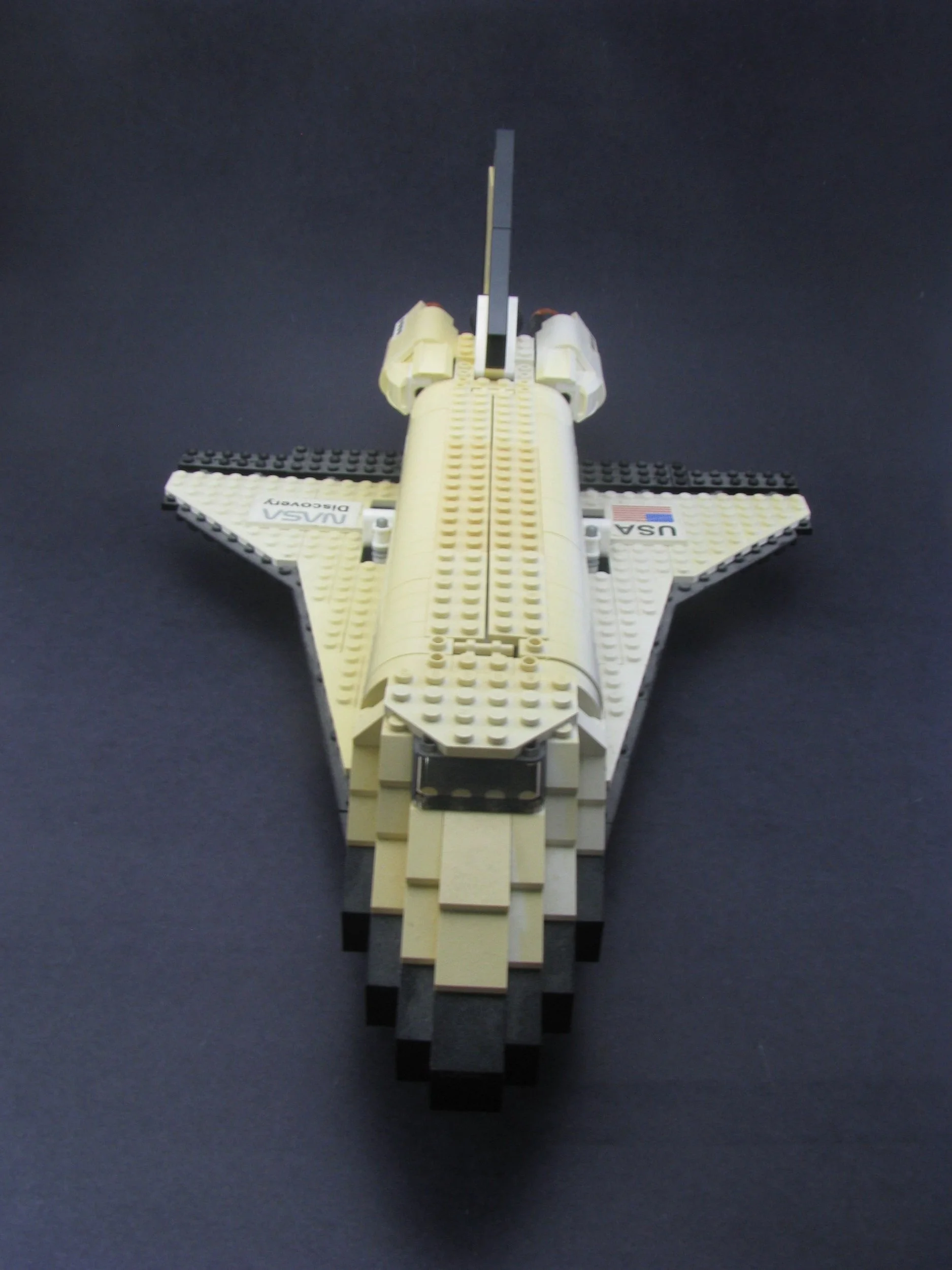
Condition and preservation
Plastic can be durable while historical integrity remains fragile
LEGO often survives play remarkably well, yet collectors judge much more than whether a brick still connects. Colour shift, brittleness, print wear, stickers, packaging, instructions and component substitution can all change collector status.
Mint is not necessarily synonymous with visually flawless.
Intervention
Cleaning, whitening and replacement sit on different parts of the spectrum
Gentle cleaning may simply remove dirt. Chemical whitening can alter the material state in an attempt to reverse yellowing. Replacement elements can improve appearance or function while weakening originality. Reproduction stickers can make a model look complete without making it historically complete.
From product to medium
Sometimes LEGO stops being a set and becomes a way of modelling the world
MOCs complicate the idea that LEGO collecting is primarily about manufacturer-defined products. A large builder may collect capability - colours, elements, mechanisms and knowledge - because those components make original creation possible.
The boundary becomes particularly interesting when a one-off build carries its own design history, commission, institution or provenance.
When does a collection of bricks become a collectible creation in its own right?

Scarcity and retirement
An ordinary retail product can become finite overnight
LEGO has an unusually visible scarcity event: retirement. Production ends, primary-market supply disappears and an object that has not physically changed begins its transition from current product to finite collector inventory.
Retail product → retirement → collector inventory
Retired does not mean rare, and rare does not mean wanted.
Demand, nostalgia, theme, exclusivity, minifigures and substitutability still decide whether scarcity matters.
The market
LEGO has unusually rich collector infrastructure
BrickLink is simultaneously catalogue, marketplace, parts exchange, wanted-list system, price guide and inventory infrastructure. That makes LEGO one of the most data-rich collecting worlds.
The unusual economics
The market can consume complete sets
Because every component has its own market, the parts of a set can sometimes be worth more separately than the intact set. Dealers may rationally dismantle complete examples for figures, prints, rare colours or specialist elements.
A tiny minifigure can become the economic centre of a very large box.
LEGO therefore contains a form of scarcity that the secondary market can create for itself by gradually breaking complete objects apart.
Where collectors disagree
The arguments reveal what different collectors think LEGO is for
Open it or preserve it?
Original or simply genuine?
Collector or creator?
Collector or investor?
When collecting worlds collide
LEGO is one of collecting's great crossover systems
A person can enter LEGO through engineering, design, architecture, trains, automobiles, fantasy, comics, film, gaming or a childhood theme. The bricks remain compatible while the cultural worlds around them keep expanding.
Star Wars & fandom
A single object can belong equally to LEGO collecting and franchise memorabilia.
Architecture & design
LEGO models buildings, design icons and engineering systems while the brick itself is an industrial-design object.
Automobiles & transport
Cars, trains, aircraft and engineering models pull scale modelling and technical culture into LEGO.
Comics & film
Licensed sets create physical archives of popular culture and attract collectors who enter LEGO through another fandom.
Minifigures
Figures behave like a small collectible world inside the larger system, with independent rarity and value.
Engineering & MOCs
At the far end, LEGO becomes a medium for one-off models rather than a catalogue of products.
Collector intelligence
Questions that expose judgement
The deeper idea
An object's identity can live in the relationships between its components
LEGO makes it unusually easy to replace, recombine and repurpose almost every part of the object. That makes authenticity and originality relational rather than simply visual.
The bricks may all be genuine. The set may be complete. The copy may still no longer be original.
That distinction reaches far beyond LEGO and makes this collecting world particularly useful for understanding how component history shapes object identity.
Possible future explorations
Several parts of LEGO are deep enough to become worlds of their own
Vintage LEGO
Classic Space, Castle, Town, Trains, regional production and period-correct restoration.
LEGO Minifigures
Variants, promotional figures, counterfeits, print condition and completion culture.
LEGO Star Wars
A major collision between LEGO, film memorabilia, model collecting and minifigure culture.
MOCs & Fan Creation
Original builds, recognised designers, commissions, exhibitions and the boundary between object and medium.
Explore further
The world is larger than this page
LEGO collecting stretches from sealed vintage boxes to enormous parts libraries and unique fan-built models. This page is an orientation to how the world behaves, not an attempt to catalogue every set, theme, mould, minifigure or production change.