
Your video games & consoles collection. Your way.
Video Games & Consoles Collection Management
Start with the items you own and record the details useful to you.
Keep things simple, or go deeper with platforms, releases, regions, revisions, packaging, hardware variants, condition and functionality whenever they matter.
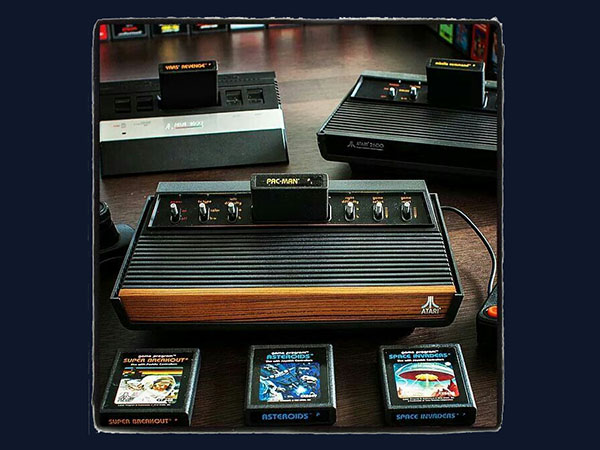
Collect at your own depth
A useful video game and console record can be simple or highly detailed.
One item might need little more than a name, photograph and condition. Another might deserve detailed records of platforms, releases, regions, revisions, packaging, hardware variants, condition and functionality. Both belong in Collectaneum.
Start quickly. Add detail when it earns its place.
Why the collection becomes difficult
The artefact and the playable experience can diverge
A sealed game may survive beautifully while never being played. A working cartridge may lose its box and inserts. A console can look mint while its capacitors or optical drive fail.
A useful registry therefore needs to preserve physical identity, software version, functional state and intervention history as separate layers.
Platform, release and region
Separate title, platform, publisher, region, language, product code, release date and packaging format so different editions remain distinct.
Hardware revisions and variants
Track console model, shell colour, motherboard revision, BIOS, bundle, controller variant and other production differences.
Completeness
Distinguish loose, CIB and fully complete retail configurations including manuals, maps, inserts, registration cards, spine cards and accessories.
Functional and cosmetic condition
Record whether software and hardware work separately from labels, boxes, discs, shells, screens, plastics and controllers.
Originality and intervention
Document battery replacement, recapping, reshelling, replacement labels, optical-drive work, mods, Retrobright and other restoration or upgrades.
Authenticity and preservation
Preserve evidence around factory seals, cartridge boards, disc identity, verified dumps, reproduction parts and development material.
From release to owned game or console
Build the record in connected layers
Shared catalogue knowledge can identify a recognised software release, hardware model or revision while completeness, functionality, repairs, modifications and provenance remain specific to the item in your collection.
Identify the release
Record title, platform, publisher, developer, region, language, product code, release period and packaging type.
Distinguish the version
Capture revision, ROM or disc state, label or cover variation, rating mark, bundle, re-release, hardware revision and regional differences.
Describe your example
Preserve completeness, cosmetic condition, functional state, battery or capacitor work, repairs, modifications, grading, storage and display setup.
Attach the evidence
Connect photographs, receipts, grading records, PCB images, service notes, provenance, research and valuations to the exact owned item.
A record in practice
The title on the box is only the beginning
The shared record may identify platform, publisher, region, product code, packaging format, software revision, rating mark and known re-release or bundle status.
The owned-item record then captures label and box condition, manuals and inserts, disc or cartridge condition, save-battery state, console functionality, repairs, reshelling, grading, acquisition source, photographs and valuations.
Two copies of the same title can therefore share reliable catalogue knowledge while retaining completely different completeness, condition and preservation histories.
Owned-item evidence
Internal hardware can settle authenticity questions
Cartridge PCBs, chip markings, soldering, board revisions, serial labels and factory construction can help distinguish an original release from a reproduction, reshell or later modification.
Important collecting distinctions
Details that should not be collapsed into one label
Video-game records are clearer when physical completeness, software identity, functionality, originality and authenticity remain separate questions.
Artefact or playable experience
A sealed game may be a stronger physical collectible while a loose cartridge or verified digital copy may better preserve the experience of play.
Complete in Box or complete as sold
CIB commonly means game, box and manual, but collectors may also require maps, inserts, registration cards, spine cards and other original contents.
Original or functional
Replacing batteries, capacitors, drives or shells can improve usability while changing the degree of surviving original hardware.
Reproduction or counterfeit
A clearly identified reproduction can be a practical substitute; a reproduction sold as an original is an authenticity problem.
Condition is both cosmetic and functional
Boxes, media, plastics and electronics age in different ways
Cardboard can crush or fade, labels can tear, optical discs can scratch or delaminate, plastics may yellow or crack, batteries can leak and capacitors or drives can fail even when the exterior remains excellent.
Keeping those observations separate creates a more useful record than one overall grade, particularly where cosmetic condition and functional condition tell very different stories.
Learn more when you want to
Research the release, then preserve the evidence
The Knowledge Center supports documentation, authentication, condition, restoration and valuation decisions. The registry keeps photographs, service history and conclusions connected to the exact owned game or console.
Collectaneum does not authenticate, grade or value an object for you. It keeps conclusions and supporting material connected to the item so the record remains reviewable as hardware, software or preservation knowledge develops.
Your video games & consoles collection. Your way.
Start recording your video games & consoles collection
Create connected records for games, platforms, regions, revisions, consoles, controllers and hardware variants while preserving completeness, functionality, originality, photographs and valuations for each owned item.
Start with the essentials and add more whenever it matters. The depth is there when you want it.