
Your Olympic Games collection. Your way.
Olympic Games Collection Management
Start with the items you own and record the details useful to you.
Keep things simple, or go deeper with host cities, Games editions, sports, athletes, nations, events, torches and medals whenever they matter.
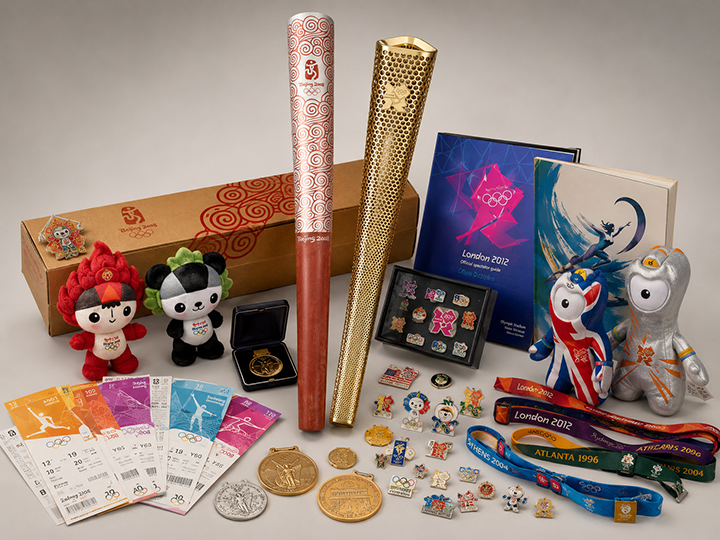
Collect at your own depth
A useful Olympic Games record can be simple or highly detailed.
One item might need little more than a name, photograph and condition. Another might deserve detailed records of host cities, Games editions, sports, athletes, nations, events, torches and medals. Both belong in Collectaneum.
Start quickly. Add detail when it earns its place.
Why the collection becomes difficult
One Games contains thousands of distinct object stories
An item may relate to the overall Olympiad, one host city, a sport, an event, a national delegation, an athlete, the torch relay or a particular ceremony. Similar designs may also exist as official issue, licensed merchandise, sponsor material and later reproduction.
A reliable registry preserves those levels separately so the Olympic connection is described precisely rather than implied by symbols or branding alone.
Games and host context
Record summer or winter edition, host city, year, organizing committee and venue.
Sport and event
Connect sport, discipline, event, round, date, venue and result where relevant.
Athlete and delegation
Preserve athlete, nation, team, role, accreditation and participation context.
Official status and issue
Distinguish competition-used, participant-issued, volunteer-issued, licensed, sponsor, souvenir and replica objects.
Torch and relay history
Record torch model, route, segment, bearer, date, ceremony and documentary evidence.
Condition and provenance
Capture wear, markings, alterations, acquisition history, photographs and supporting records.
From Games edition to owned Olympic object
Build the record in connected layers
Shared records can describe a Games, sport, event, athlete or relay stage, while issue, use, condition, provenance and evidence remain specific to the individual item.
Identify the Olympic context
Record Games edition, host, organizing committee, nation, sport, event and ceremony.
Define the object or issue
Capture maker, design, model, official category, accreditation level, edition and distribution context.
Describe your example
Preserve serials, markings, bearer or athlete attribution, wear, alterations, signatures and location.
Attach the evidence
Connect photographs, certificates, relay records, accreditation, receipts, correspondence and valuations.
A record in practice
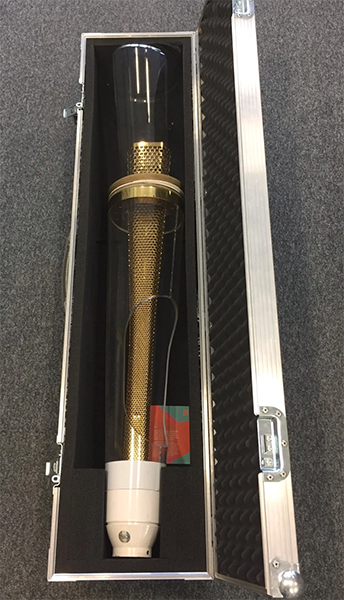
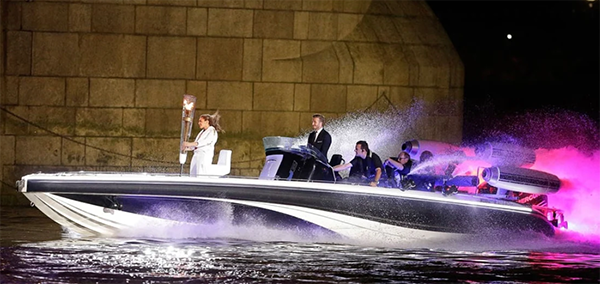
A torch record should preserve both design and journey
The shared record identifies the London 2012 torch design, manufacturer, relay programme and ceremonial context.
The owned-item record then captures serial or identifying marks, named bearer or relay segment, carrying date, route, photographs, uniform or documentation, condition, display history and provenance.
This distinguishes an official relay torch with a documented journey from a replica, commemorative object or genuine torch whose individual relay history is unknown.
Important collecting distinctions
Details that should not be collapsed into one label
Olympic symbols and designs appear across many official and commercial categories, so status and individual association should remain explicit.
Winner’s medal or participation medal
Medals for sporting achievement, participation, service and commemoration have different issuing histories.
Relay torch or replica
An accurate replica does not share the manufacture, serial history or journey of an official relay torch.
Athlete-issued or retail merchandise
Correct national or Games branding does not establish issue to a participant or delegation.
Games-wide or event-specific
An object may represent the whole Games while another relates to one sport, session, venue or ceremony.
Olympic meaning operates at several scales
The global event and the individual biography should coexist
A pin or programme may document the visual culture of an entire Games, while a uniform, medal or torch can carry a highly specific athlete, official or bearer history.
Collectaneum allows broad Olympic context and individual provenance to remain connected without overstating what the surviving evidence proves.
Learn more when you want to
Research the judgement, then preserve the evidence
The Knowledge Center provides deeper guidance on documentation, provenance, authentication, photography and valuation. The registry keeps those observations and supporting evidence attached to the exact Olympic object.
Collectaneum does not authenticate, grade or value an object for you. It keeps conclusions, uncertainty and supporting material connected to the exact owned item so the record remains reviewable.
Your Olympic Games collection. Your way.
Start recording your Olympic Games collection
Create connected records for Games, athletes, events, relay stages and owned memorabilia while preserving official status, participation, condition, provenance and supporting evidence.
Start with the essentials and add more whenever it matters. The depth is there when you want it.