
Your cycling collection. Your way.
Cycling Collection Management
Start with the items you own and record the details useful to you.
Keep things simple, or go deeper with riders, teams, races, stages, seasons, jerseys, bicycles and components whenever they matter.
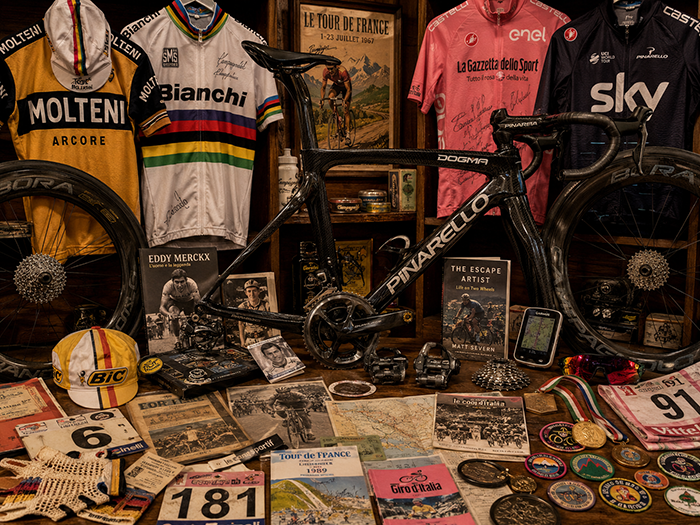
Collect at your own depth
A useful cycling record can be simple or highly detailed.
One item might need little more than a name, photograph and condition. Another might deserve detailed records of riders, teams, races, stages, seasons, jerseys, bicycles and components. Both belong in Collectaneum.
Start quickly. Add detail when it earns its place.
Why the collection becomes difficult
Sporting association and technical identity must coexist
A team design can change between seasons, races and national championships. Equipment can also be modified, rebuilt or used by more than one rider over time.
The record should therefore distinguish maker and model from team livery, rider attribution, race use, signatures, component changes and later restoration.
Rider and team
Connect rider, trade team, national team, sponsor and role without collapsing them.
Race and stage
Record event, edition, stage, route, date, classification and result where relevant.
Season and livery
Preserve sponsor arrangements, jersey design and team-name changes over time.
Technical specification
Capture frame, groupset, wheels, components, serials, dimensions and modifications.
Use and attribution
Distinguish rider-issued, race-used, training-used, signed and commemorative objects.
Condition and provenance
Record wear, repairs, replacement parts, ownership history and supporting evidence.
From race context to owned equipment
Build the record in connected layers
Shared rider, team and race records provide sporting context, while specification, use, condition and provenance remain attached to the individual object.
Identify the sporting context
Record rider, team, sponsor, race, stage, season, discipline and competition level.
Define the product or equipment
Capture maker, model, size, material, component specification, serial and production detail.
Describe your example
Preserve livery, markings, signatures, use claims, wear, repairs, modifications and location.
Attach the evidence
Connect photographs, race records, certificates, receipts, correspondence, research and valuations.
A record in practice
A team jersey may represent one very specific season
The shared record identifies the team, sponsor arrangement, manufacturer, design, season and event context.
The owned-item record then captures size, rider attribution, signatures, issue or use claims, condition, provenance, photographs and authentication.
This prevents a correct team design from being mistaken for evidence that the particular jersey was worn by a named rider.
Important collecting distinctions
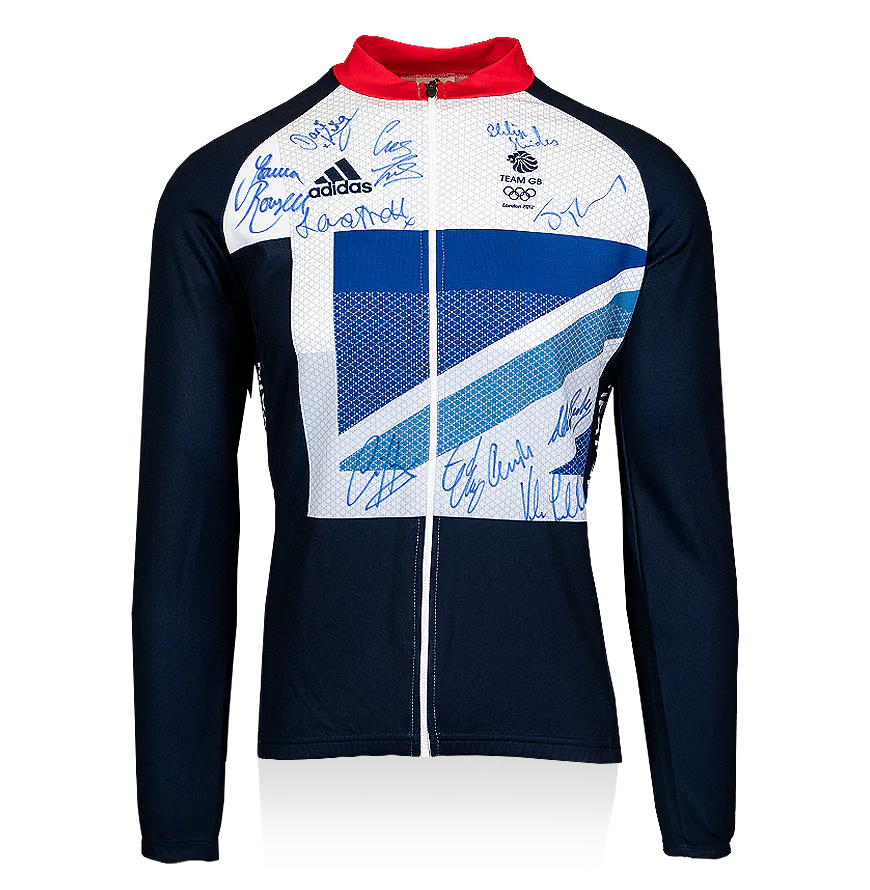
Details that should not be collapsed into one label
Cycling records become clearer when technical specification and sporting association are treated as separate evidence questions.
Team issue or race used
Team-issued clothing or equipment may be authentic without evidence of competitive use.
Model or build specification
A bicycle model can exist in many sizes and component builds, and an owned example may change over time.
Race or stage
A multi-stage event contains separate contests, routes and results that may matter to an item.
Original or restored
Replacement components and repainting can improve usability while changing originality.
Equipment can evolve after manufacture
A cycling object may have both a sporting biography and a mechanical history
Bicycles and components can be rebuilt, upgraded, repaired or repainted. Jerseys and race numbers may be reused, signed later or separated from their original event context.
A useful registry preserves those changes chronologically so later owners can understand what is original, what is associated and what has been altered.
Learn more when you want to
Research the judgement, then preserve the evidence
The Knowledge Center provides deeper guidance on documentation, provenance, authentication, restoration and valuation. The registry keeps those observations and evidence connected to the exact object.
Collectaneum does not authenticate, grade or value an object for you. It keeps conclusions, uncertainty and supporting material connected to the exact owned item so the record remains reviewable.
Your cycling collection. Your way.
Start recording your cycling collection
Create connected records for riders, teams, races and equipment while preserving technical specification, use claims, condition, provenance and supporting evidence.
Start with the essentials and add more whenever it matters. The depth is there when you want it.