
Your book collection. Your way.
Book Collection Management
Start with the items you own and record the details useful to you.
Keep things simple, or go deeper with authors, editions, printings, issues, bindings, dust jackets, inscriptions and provenance whenever they matter.

Collect at your own depth
A useful book record can be simple or highly detailed.
One item might need little more than a name, photograph and condition. Another might deserve detailed records of authors, editions, printings, issues, bindings, dust jackets, inscriptions and provenance. Both belong in Collectaneum.
Start quickly. Add detail when it earns its place.
Why the collection becomes difficult
The work, the edition and the copy are different things
A title alone rarely identifies a collectible book. Publisher, imprint, place, date, edition statement, printing, issue, format, binding and dust jacket can all distinguish one release from another.
The individual volume then adds its own history through condition, annotations, inscriptions, bookplates, restoration, provenance and association with a person or collection.
Edition and printing
Keep edition, impression, issue and state separate so later reprints are not confused with the earliest form.
Publisher and format
Record publisher, imprint, printer, place, language, binding, dimensions and physical format.
Jacket and completeness
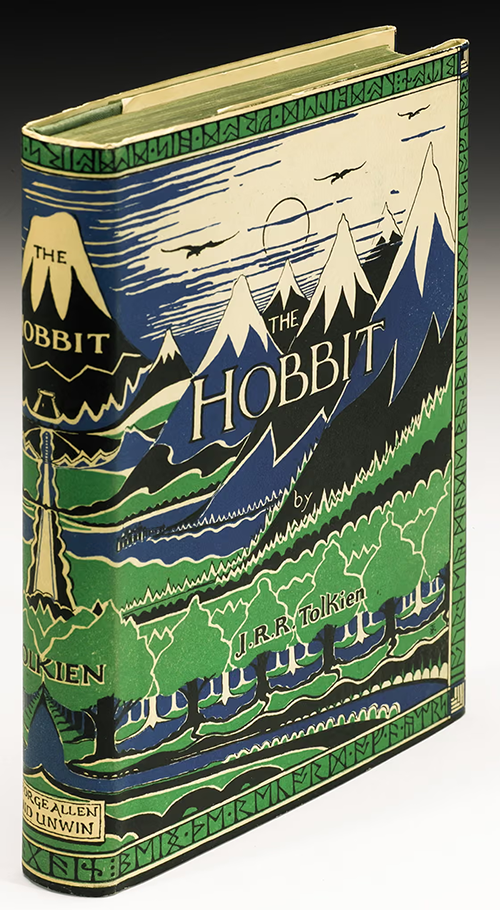
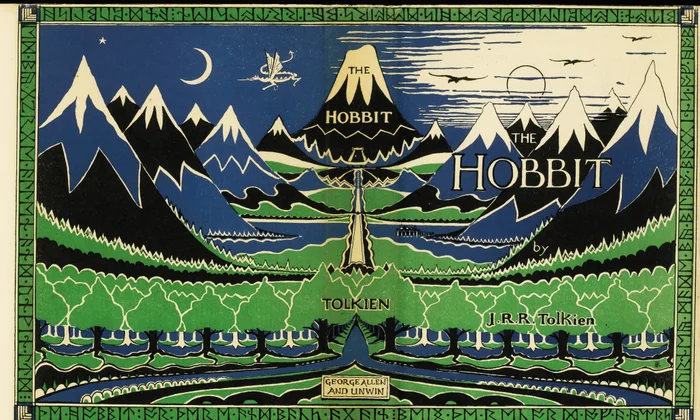
Preserve dust jacket, wrapper, slipcase, maps, plates, advertisements, inserts and multi-volume completeness.
Signatures and inscriptions
Distinguish an author signature, presentation inscription, ownership name and later annotation.
Condition and intervention
Record foxing, fading, staining, looseness, missing leaves, rebinding, repair and conservation.
Provenance and association
Connect bookplates, catalogues, correspondence, auction records and previous ownership to the exact copy.
From published work to owned copy
Build the record in connected layers
Shared bibliographic knowledge can describe a recognised edition or printing, while condition, inscriptions, provenance and supporting material remain specific to the volume in your collection.
Identify the work
Record author, editor, translator, illustrator, title, subtitle, series, volume and subject.
Distinguish the edition
Capture publisher, imprint, place, date, edition, printing, issue, state, ISBN or bibliographic reference.
Describe your copy
Preserve binding, jacket, completeness, condition, annotations, inscriptions, repairs and storage location.
Attach the evidence
Connect photographs, receipts, catalogues, correspondence, provenance research and valuations.
A record in practice
A first edition is still only the beginning
The shared record may identify the work, publisher, publication date, first-edition points, binding and expected dust jacket.
The owned-copy record then captures the exact jacket state, inscriptions, presentation history, bookplates, page and plate completeness, condition, repairs, acquisition source, photographs and provenance.
A second copy of the same edition can reuse reliable bibliographic knowledge while retaining a completely separate history and condition record.
Important collecting distinctions
Details that should not be collapsed into one label
Book records become clearer when bibliographic identity, copy-specific history and condition are treated as related but separate judgements.
Edition or printing
A new printing may reproduce the same edition, while a revised edition changes the published content or form.
Signed or inscribed
A signature, presentation inscription, ownership name and later annotation carry different evidential weight.
Original binding or rebound
A sound later binding may preserve the text but changes originality and should remain visible in the record.
Complete or merely readable
Missing plates, maps, advertisements, jackets or companion volumes can matter even when the text is usable.
The copy can become an historical object
Ownership marks may add context rather than simply reduce condition
Bookplates, annotations, presentation inscriptions and signs of use can affect conventional condition while also connecting a volume to a person, institution or reading history.
Collectaneum allows the physical assessment and the narrative significance to coexist, supported by photographs and documentation rather than hidden inside one condition grade.
Learn more when you want to
Research the judgement, then preserve the evidence
The Knowledge Center provides deeper guidance on documentation, provenance, photography, preservation and valuation. The registry keeps the resulting observations and evidence attached to the exact copy.
Collectaneum does not authenticate, grade or value an object for you. It keeps conclusions, uncertainty and supporting material connected to the exact owned item so the record remains reviewable.
Your book collection. Your way.
Start recording your book collection
Create connected records for works, editions and owned copies while preserving bindings, jackets, inscriptions, condition, provenance, photographs and supporting research.
Start with the essentials and add more whenever it matters. The depth is there when you want it.