
Warhammer Collection Management
Warhammer collections quickly move beyond simple inventory. A serious collection may include miniatures, boxed games, codexes, campaign books, magazines, limited releases, promotional items, and older ranges that differ significantly from later versions.
That variety makes structure important. A flat list may tell you what you own, but it struggles to capture the detail that collectors often care about: edition, sculpt variation, completeness, packaging, condition, and provenance.
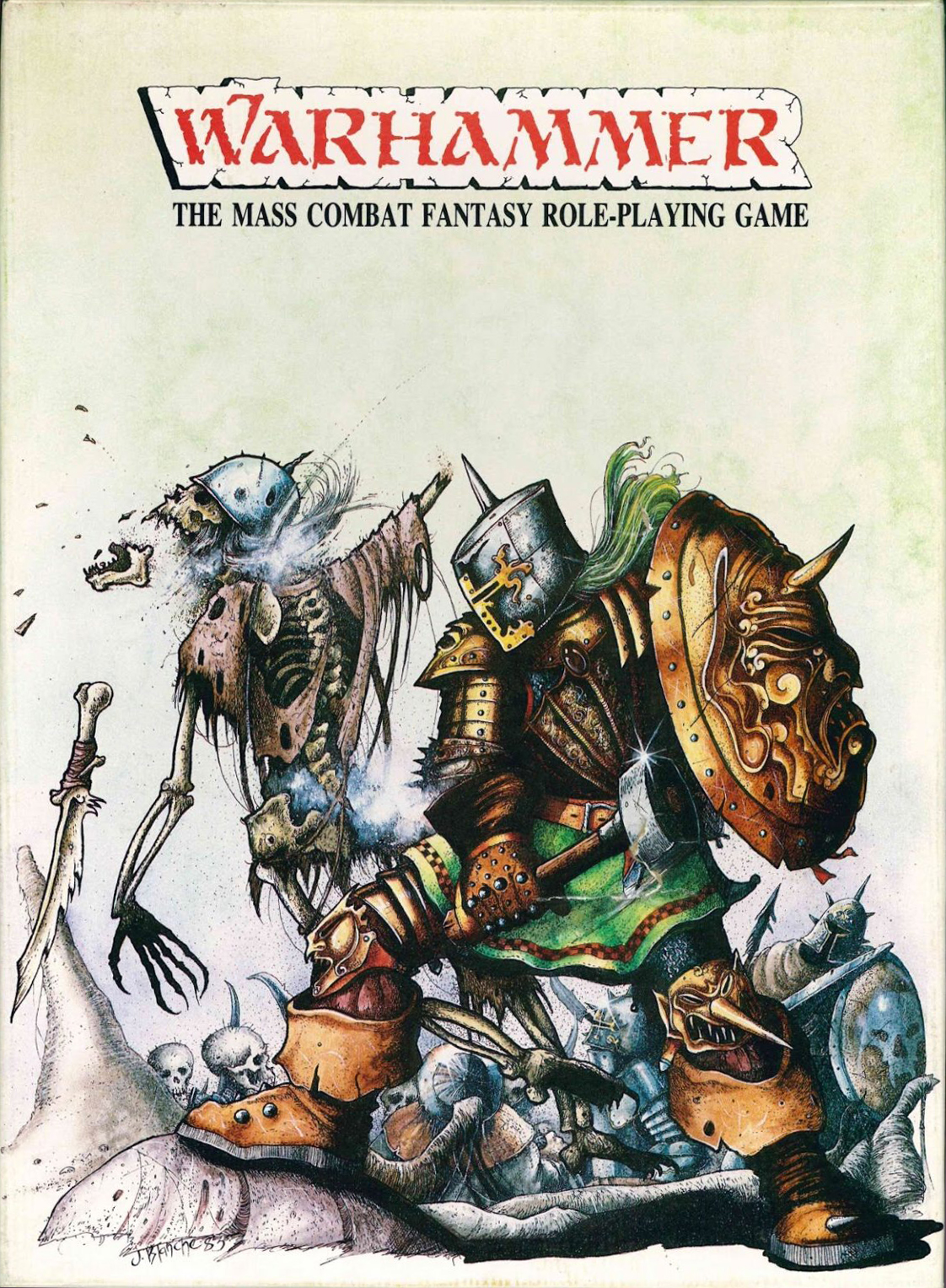
Why Warhammer collections become complex
Warhammer is not one product line but a long-running ecosystem. Rules editions change. Miniature ranges evolve. Box contents differ between releases. Packaging and branding shift over time. What looks similar at a glance may be meaningfully different to a collector.
Older metal miniatures, discontinued boxed sets, event exclusives, and specialist games often need more context than a simple stock or inventory record can provide.
Beyond painted armies and play collections
Some people collect Warhammer primarily for gaming. Others collect for nostalgia, history, sculpting, rarity, or completeness. Those goals affect what needs to be tracked. A gaming collection may focus on playability and paint status, while a collector may care more about release differences, original packaging, or provenance.
A structured approach to Warhammer collection management
Collectaneum is designed to separate the underlying product, any meaningful variation of that product, and the specific item you personally own. That distinction makes it easier to record both collector detail and ownership detail without flattening everything into one field.
- Product or release
- Variant, edition, sculpt, or packaging difference
- The individual item you own
What a Warhammer collector may track
- Game system, range, or faction
- Edition or release wave
- Sculpt or packaging variation
- Condition and completeness
- Build or paint status
- Ownership history and provenance
- Acquisition source, date, and price
- Photos and supporting evidence
Warhammer collection management becomes far easier when the record reflects how collectors actually think about their items: not just what something is called, but which version it is, what state it is in, and why it matters within the wider collection.
Also see Collectors Hub, Collection Management Software and Import Your Collection.