
Crystals & Rock Collection Management
Documenting the specimen, not just the stone
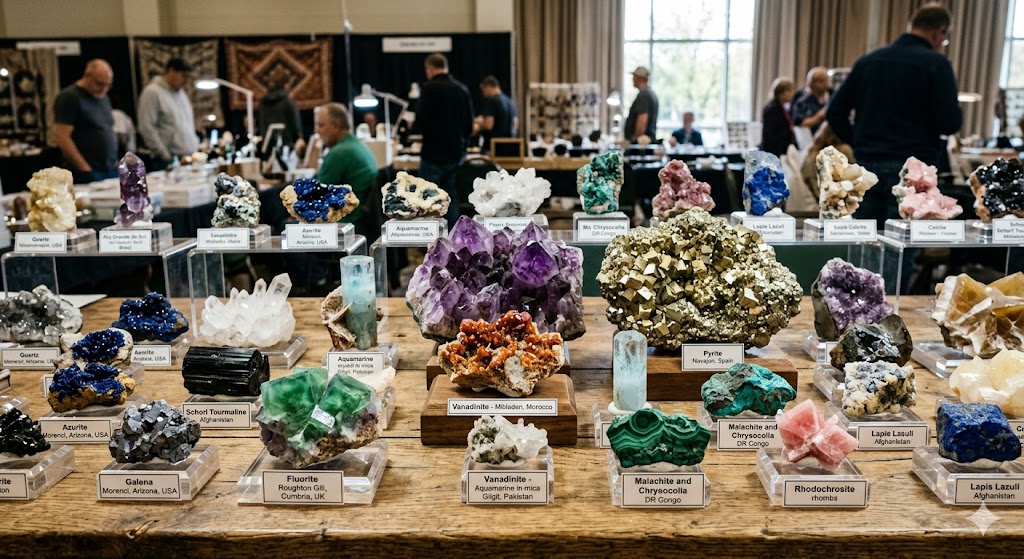
Mineral and crystal collecting is as much about identification and provenance as it is about appearance.
Collectors often record locality, formation, matrix, crystal habit, size, acquisition history, and supporting research. As collections grow, these details become increasingly difficult to manage consistently.
Collectaneum provides a structured way to preserve that information.
Why specimen collections become difficult to track
Many specimens look similar at a glance but differ significantly in origin, rarity, or formation.
Collectors may need to record:
- Mineral species
- Locality
- Mine or source
- Crystal habit
- Associated minerals
- Size and weight
- Acquisition history
- Valuation history
- Photographs and research notes
Over time, those details become essential for identification and research.
Provenance and locality can be critical
For many specimens, locality is one of the most important pieces of information.
A crystal from a famous or closed locality may be far more significant than an otherwise similar example from elsewhere.
Recording provenance helps preserve that context.
Building a lasting watch registry
A watch registry becomes a long-term record of ownership and collecting history rather than simply a list of crystals and rocks.
From inventory to long-term collection knowledge
The real value of structured collection management is not only knowing what you own today. It is building a record that stays useful over time. As your collection evolves, the information around each item often becomes more important.
Also see Collectors Hub, Collection Management Software and Import Your Collection.